

Important Points to Consider When Installing a Shed Wood Burner
A wood burner for a shed to your outdoor space is a great method to make it cozy and cozy all year long. But there are some key things to think about, from regulations and safety requirements to sizing and the installation.
A safe distance between a single wall flue pipe and any combustible substance is 3X its diameter however this distance can be decreased by using an insulative board to shield it.
How do I install it?
A shed log heater can turn an outdoor summerhouse or garden shed into a cozy and welcoming space. There are a few factors to take into consideration to make sure that your shed's wood heater is safe and in compliance with the regulations.
Consider the output of your stove first. A size that is too big or too small could cause the shed to overheat, while a size that is too small could not be able to provide enough heat. Ask a professional for help in figuring out the best size for your shed, taking into consideration the dimensions of your shed and the insulation levels.
Once you've settled on the size, you'll have to decide on a location for your flue pipe. It should be positioned away from any sources of water and fire hazards, like plants or furniture. The flue should be able to be able to exit through the roof. To ensure that the work is done correctly and weatherproof, it is best to hire a professional to complete this task.
The roof that the flue pipe goes needs to be sealed with a fire retardant sealant to prevent moisture entering the shed and causing damage. It is also an excellent idea to install an extra-safe back stop made of corrugated sheet or any other material on the shed side of the stove, to prevent it from burning through.
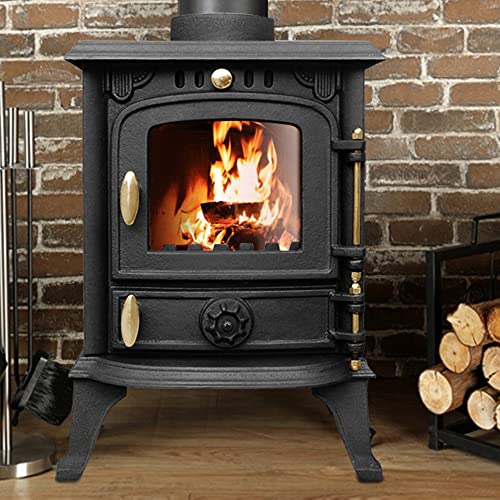
wood burning stove for shed is important to follow the safety guidelines when installing shed wood burners. This will ensure that your installation is in compliance. The guidelines suggest keeping a certain distance from any combustible materials, including plastics and wood. In some cases, a heat shield may be required behind the stove to safeguard surfaces that are combustible.
Consult an experienced HETAS-registered installer if you're not sure how to install your wood burner in your shed. They can guide you on the best size stove for your shed, and the best way to position it in a way that is compliant with all regulations. They can also install your stove and assure that it's fully tested and certified to be safe for use.
Safety Requirements
It's vital to ensure the installation of a shed wood stove is done correctly. This will not only guarantee safety, but also avoid damage to your stove and shed structure.
It is advised that your stove is installed by an expert to ensure that the stove is operating in accordance with the laws. They will be able to recommend the right size stove for your shed depending on its size and the insulation levels. They can also advise you on the necessary fireproofing and protective measures required for your shed.
One of the biggest issues that can impact the performance and endurance of a wood stove in the shed is dampness. Moisture in wood can cause problems with combustion, which can lead to excessive smoke or creosote. Make sure to use only dry, seasoned firewood, or at least kiln dried wood to keep this from happening.
Another important aspect is to ensure that there is enough ventilation in the shed. Lack of ventilation could cause carbon monoxide poisoning, which could cause death if not detected in time. Install CO detectors and an air vent near your stove to ensure that there is enough oxygen in the shed.
A heat shield must be installed behind the stove. It is also essential to ensure that the chimney and flue are sized correctly and sealed. It is also crucial to burn only clean and seasoned wood. Do not make use of treated wood, because this could release harmful chemicals into the gasses that are released from the flue.
If you follow the guidelines above, you shouldn't have any issues installing a shed log burner that will provide both heating and a cosy ambience in your shed or cabin. Register your new stove for complete warranty protection, and then check with the authority that has authority before proceeding. And remember to keep the space around your shed's wood burner free of clutter to avoid any accidents with vehicles or furniture!
Ventilation
If you have an open fire in your backyard or summer home, it is essential to ensure adequate ventilation throughout the space. This will allow the fire to burn more efficiently, and also reduce emissions. It will also stop the build up of carbon monoxide as well as other gases that could be hazardous in a small area such as the cabin or shed.
It is also crucial to seal the roof where the flue is able to enter. This will help the shed to withstand the elements and keep out rain, debris and other liquids. This can be done by putting a sealant on the flue pipe, or by installing the chimney collar. The stove supplier will be able to provide seals and other parts.
Be sure to adhere to all safety and regulatory guidelines before installing your shed wood stove. This is particularly important in Conservation Areas or in certain locations. It is not likely to be the case that you'll need approval to install an oven in your shed. If you're not sure consult an expert who will be able to guide you through this.
It's time to start. Calculate the size of stove you will require to heat your shed. Talk to a professional who can suggest the most suitable model for your shed based on its size and insulation levels.
Decide where you'd like to place the stove. Determine the location of the hearthplate as well as the flue pipe's hole. It is possible to use a template that is provided with the kit, or even the flue pipe itself.
Once you've marked the stove's location and positioned it, you can drill the holes for the hearth plate and the flue pipe. It is important to make sure that the gaps aren't too large, or the flue system is compromised. The minimum gap between the floor of the stove and the bottom of the stove should be 40mm.
Cleaning
When you're using your wood burner in your shed, a lot of cleaning is required. Creosote is a substance that can build up on the chimney, and some people also notice that the grating in the stove is covered in soot. It is important to clean the stove after each use, especially before turning it on in winter. The stove should be off the grid when you perform this. You should also clean the chimney at least once per year or sooner when your wood burner in the shed is frequently used. If you have a door from the shed to your home Some people prefer to purchase wood carriers that makes the transfer of logs a lot easier and cleaner. These are available at most gardening and home stores or online.